

For a mattress 90 cm wide, the choice is quickly made, provided you start from the duvet rather than from the bed base. This single sleeping space fits out a child's bedroom just as well as a studio flat or a guest room.
The answer in one line
On this size, the single duvet cover remains the default choice. The dimension to go for is 140x200, which dresses the bed with a clean overhang on each side.
Why 140x200 on a 90 cm bed
A 140x200 cover leaves about twenty centimetres of overhang on either side of the mattress. This overhang is enough to keep the bed covered without the fabric trailing on the floor.
A narrower duvet would uncover the shoulders at the slightest movement. Too wide, it would on the contrary make unsightly folds on such a compact bed.
90 bed and single bed: two names, one single size
Manufacturers often speak of a duvet cover for a 90 bed, going by the width of the mattress. It is exactly the same product as the one presented for a single bed.
This double naming sometimes causes confusion in store. It nevertheless refers to one and the same single size, with no difference in dimension.
Who this size is for
The single bed comes in handy in several very different set-ups. It is mainly found in three cases.
- The child's bedroom, from the first real bed through to adolescence.
- The studio flat or the small adult bedroom, where every square metre counts.
- The guest room, used occasionally.
Which fabric for a child's or spare bed
On a child's bed, the fabric often takes priority over everything else, because the linen goes into the machine again and again. An Oeko-Tex certified cotton is reassuring as to the absence of harmful substances in contact with the skin.
Cotton percale, with its tight weave, stays cool and is easy to care for. Cotton satin, softer and silkier, is more appealing for a carefully appointed guest room.
Pitfalls to avoid
A few mistakes come up often with this size. Spotting them in advance saves time.
- Confusing the width of the mattress with the dimension of the duvet to be covered.
- Going for a size that is too tight and uncovers one side during the night.
- Forgetting a mattress topper that raises the bed and eats into the overhang.
How many centimetres of overhang to aim for
On a single bed, an overhang of twenty to thirty centimetres per side gives a neat result. Below that, the duvet quickly lets the mattress show; beyond it, the fabric ends up trailing on the floor.
The calculation is simple: the width of the cover minus that of the mattress, divided by two, gives the overhang on each side. With a 140x200 laid on a 90 cm mattress, you get twenty-five centimetres on each side.
Building the bedding set around the cover
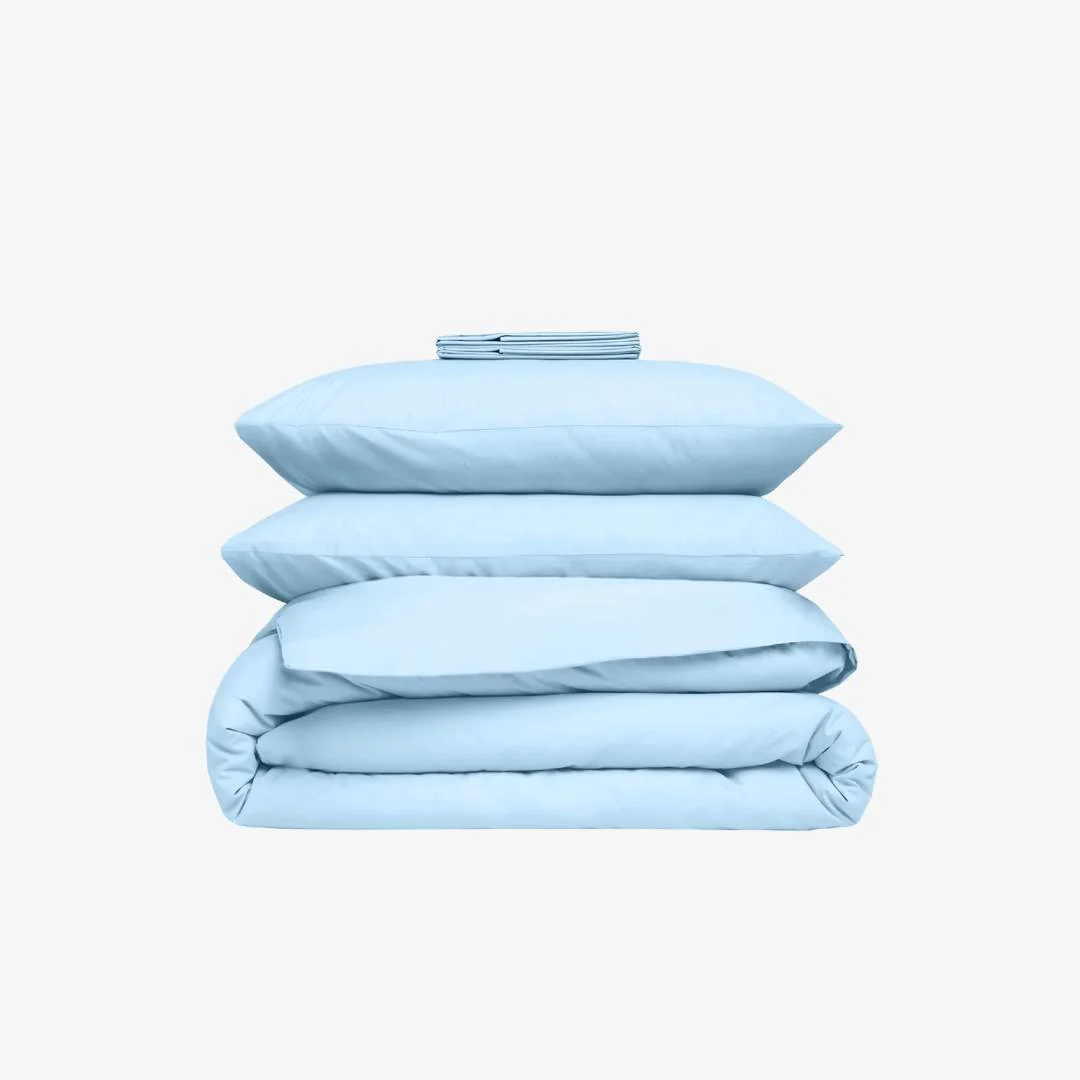
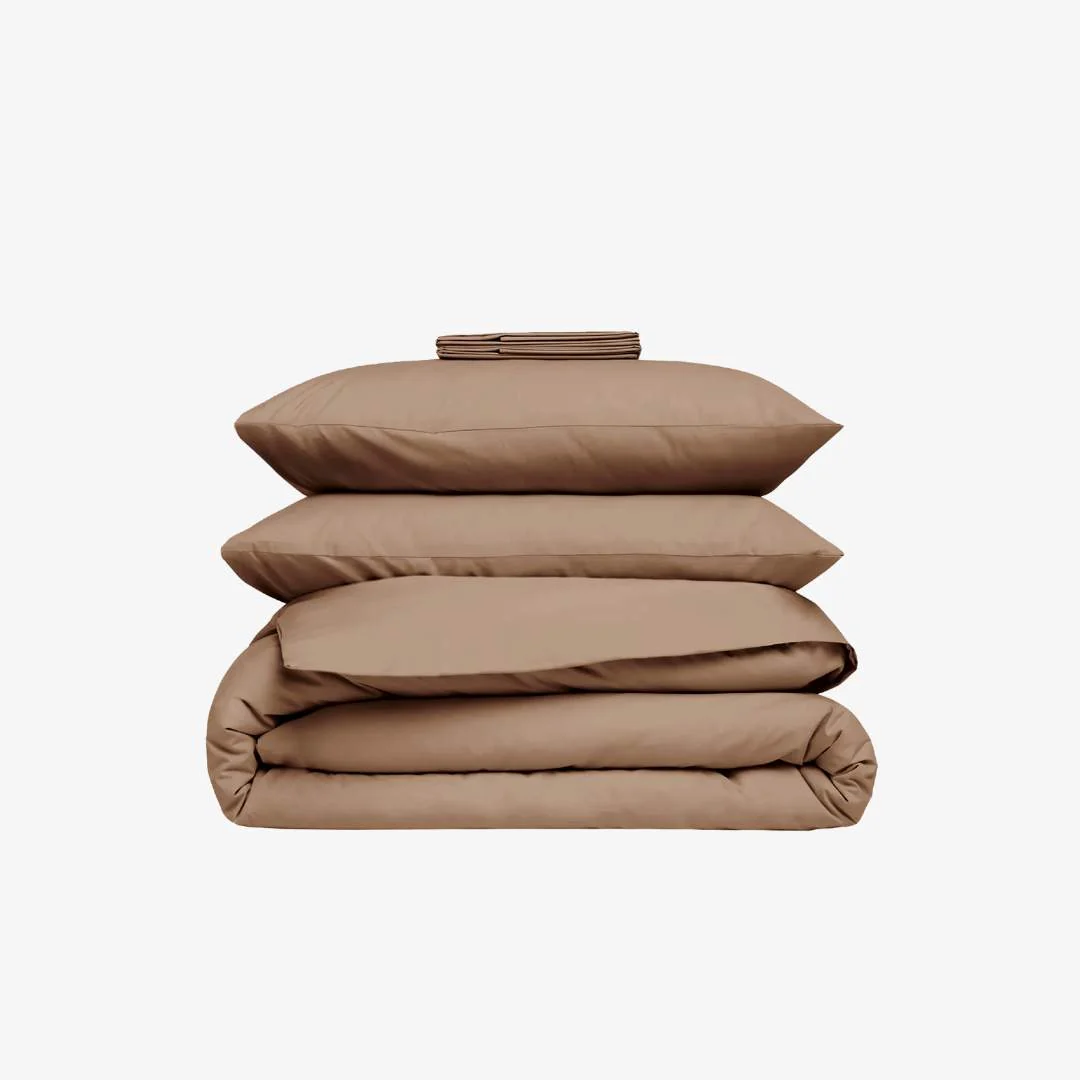
A child's bedroom gains in coherence when the linen matches. The cover is completed by a fitted sheet in the size of the mattress and pillowcases in the standard size.
These items often share the same shade without adopting the same dimension. A child's pillow stays small, whereas the duvet follows the width of the bed.
When to move up to the next size
As soon as the child grows and asks for more space, a wider bed is prepared. The small double size then takes over, before the large double bed in adulthood.
To compare all the matches between bed width and cover dimension, our guide which duvet cover size according to the size of the bed covers each case in detail.
Frequently asked questions
What size duvet cover for a 90 cm bed?
The recommended size is 140x200. It leaves an overhang of about twenty-five centimetres on each side of a 90 cm mattress. This overhang keeps the bed covered without the fabric trailing on the floor.
Are a 90 bed and a single bed the same thing?
Yes, these two names refer to the same single bed. Manufacturers go sometimes by the width of the mattress, sometimes by the name single bed. The cover dimension remains identical in both cases.
Which fabric to choose for a child's bedroom?
An Oeko-Tex certified cotton is reassuring, because it rules out harmful substances in contact with the skin. Percale stays cool and is easy to care for, satin is softer for a guest room. The ability to withstand frequent washing counts for a great deal on a child's bed.